Vanessa Maldonado #Reflection1
I learned a lot about how culture and communication styles can affect conflict, especially in diverse or
virtual teams. Culture shapes how people express disagreement, handle emotions, and resolve issues. For
example, some cultures prefer direct communication, while others use indirect approaches to avoid confrontation. This can cause misunderstandings if team members aren’t aware of these differences. I also
learned that working in virtual groups adds another layer of difficulty. Without face-to-face interaction, it’s easier for people to misinterpret tone or intent in messages, which can lead to unnecessary conflict. Technology can make teamwork faster, but it also requires clear communication and strong collaboration
skills. Overall, the presentations helped me understand the importance of cultural awareness and good communication in both in-person and virtual teams to avoid conflict and work together effectively While working on the group PowerPoint presentations and watching others present, I learned a lot about how culture and conflict are closely connected, especially in group work. Different cultures have different ways of expressing themselves, solving problems, and handling disagreements. Some people are very direct
when there’s a problem, while others try to avoid conflict or communicate in a more indirect way. I realized that if team members don’t understand each other's cultural backgrounds, even small issues can turn into bigger conflicts. I also learned that working in virtual groups brings its own challenges. When
you can’t see someone face-to-face, it’s easier to misunderstand messages, especially through text or chat. Tone and body language are missing, which makes it hard to know how someone really feels. Virtual teamwork also requires more patience, clear communication, and trust. After doing this project, I have a better understanding of how important it is to listen, respect differences, and try to see things from other
people’s perspectives—especially when working with people from different cultures or in online settings. The presentations helped me realize that conflict isn’t always bad—it can lead to better solutions if handled the right way.

I also learned how virtual communication adds even more challenges to group work. When we’re not meeting face-to-face, we miss out on important things like body language, tone of voice, and facial expressions. This makes it harder to tell if someone is upset, joking, or just having a bad day. In virtual groups, it's also easy for people to misread messages or take things the wrong way. One group in our class talked about how important it is to set clear rules, check in often, and use video calls when possible to
avoid miscommunication. I really related to that, because even in my own group, we had to work hard to stay connected and make sure everyone understood the plan.
Overall, this project helped me understand how important it is to be patient, open-minded, and respectful when working with others. Whether in person or online, people bring different experiences and communication styles. Conflict will always happen, but if we take the time to understand each other and communicate clearly, we can solve problems and become a stronger team.
One of the main ideas that really
stood out to me is that culture shapes the way people communicate, especially
in difficult situations. For example, in some cultures, people are taught to
speak directly and express disagreement openly, while in other cultures, people
are taught to be more indirect and avoid confrontation to keep the peace. This
difference can cause confusion and even tension when working in a diverse team.
What one person sees as being honest and clear, another person might see as
rude or disrespectful. I never really thought about how deep these differences
go until I listened to other groups explain real-world examples of how cultural
misunderstandings can lead to conflict, even when no one means any harm. 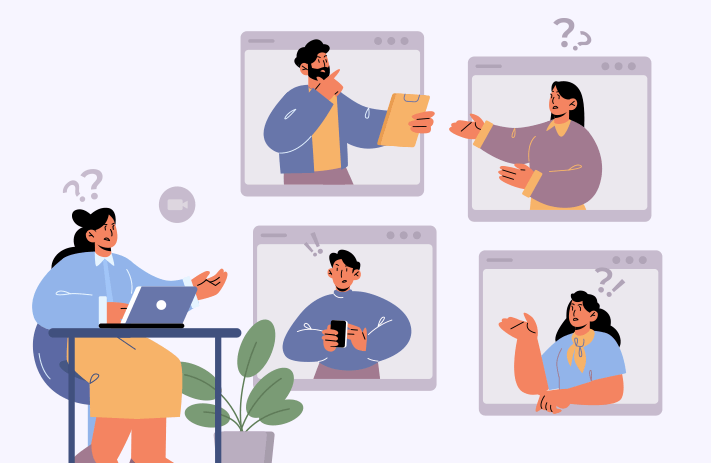
Another important thing I learned from the presentations is that conflict in virtual groups can be even more difficult to manage than in face-to-face teams. When people work online—through texts, emails, video calls, or apps like Zoom or Google Meet—there is a much higher chance of misunderstanding someone’s tone or meaning. Without body language, facial expressions, or vocal tone, it’s easy to misread someone’s message. For example, a short reply might seem angry or cold when the person is just busy or distracted. One group talked about how important it is to communicate clearly and set team expectations early when working virtually. I could really relate to that because my own group had a few moments where we weren’t sure if someone was upset or just having a bad day. We had to make sure we kept checking in with each other to avoid confusion.
I also learned that conflict isn’t always a
bad thing. Sometimes, when handled the right way, conflict can actually help
teams grow. If people are respectful and willing to listen, they can work
through disagreements and come up with better ideas together. I saw this happen
in some of the group examples where team members used conflict as a way to
understand each other better. They talked things out, respected each other’s
opinions, and ended up with stronger presentations because of it. This really
changed how I think about arguments or disagreements. Before, I usually tried
to avoid them, but now I ![ANSWERED] Why is Cultural Competence Important? — Etactics](https://images.squarespace-cdn.com/content/v1/5aa96c579772aea9adaa2ef7/ec5dba33-7aae-4d41-85c9-50660c5f7a20/WhyisCulturalCompetenceImportant_1_624.png) understand that conflict can be positive if everyone
is willing to communicate and stay open-minded.
understand that conflict can be positive if everyone
is willing to communicate and stay open-minded.
Finally, I realized how important it is to be culturally aware and flexible when working in any team, especially virtual ones. Everyone has different life experiences, communication styles, and comfort levels. The more we understand where others are coming from, the easier it is to avoid unnecessary problems. Working with people from different backgrounds can be challenging, but it also makes teamwork more interesting and creative. It’s important to ask questions, listen carefully, and not assume that our way is the only right way.
In conclusion, the PowerPoint project and all the group presentations helped me see just how deeply culture and communication affect group work. Whether in person or online, conflict is a normal part of working with others, but it doesn’t have to be negative. If we take the time to understand each other, communicate clearly, and respect our differences, we can turn conflict into a tool for learning and growth. I feel more prepared now to be a better team member in both school and real life. In conclusion, this
project helped me understand the complex relationship between culture, communication, and conflict. It also taught me how working in virtual teams adds another layer of challenge, but also opportunity. I now realize that conflict isn’t something to be afraid of—it’s something that can help us grow if we handle it with respect, patience, and understanding. Every group member brings something unique to the table, and if we take the time to understand each other’s differences, we can work together more effectively. Whether
we’re working in person or online, cultural awareness, clear communication, and empathy are key to preventing conflict and building strong, successful teams. I feel like I’ve not only learned more about other people during this project, but I’ve also learned a lot about myself and how I can be a better communicator and teammate in the future. 
Before doing this project, I never really thought about how deeply culture affects the way we work in teams or deal with conflict. I always assumed that if someone had a problem, they would just say it. But after listening to all the group presentations and reflecting on my own group’s experience, I realized that people don’t always handle conflict the same way—especially when they come from different cultural backgrounds or are working together online. This was something I hadn’t considered before, but it became really clear as I learned more.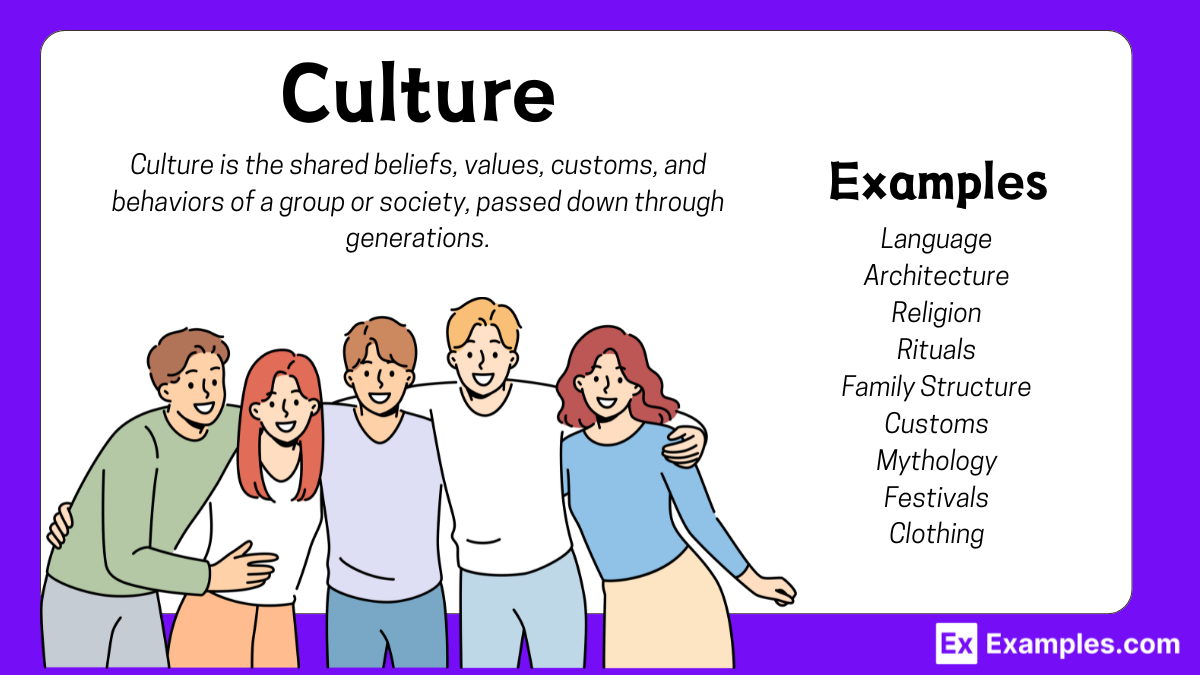
Cultural differences are often invisible, but they can have a major impact on group work. Every person grows up with certain beliefs about what’s considered respectful, how to deal with disagreements, and what teamwork looks like. In one of the group presentations, they gave the example of two coworkers from different countries: one who believed in speaking openly and directly, and another who preferred to avoid confrontation. When they had to work on a project, they kept misunderstanding each other. What one saw as honesty, the other saw as rudeness. That made me realize how easy it is to misread someone’s behavior if you don’t understand their cultural background. It also made me think about times I might have judged someone unfairly for “not caring,” when really they just had a different approach to communication.
.honest
.communicate
.teams
.help other


Very nice post. I think you have a good understanding of the topics.
ReplyDelete