Gabriela Febles Reflection #2
Reflecting on Group Presentations: A Journey Through Collaboration and Insight
Group Presentations are always a little unpredictable. Sometimes you get a super organized team where everything clicks, and other times it's chaos. Right now in SPC1017, we've been working on our second group project, and I wanted to reflect on how it went. Im going to talk about the work Group 1 and Group 3 presented and then I'll share my experience working with my own group. Spoiler. alert: I got really lucky with my group.
Group 1- The economics of Education
 Group 1 focused on a topic that honestly doesn't get talked about enough. How money affects educational opportunities. Their presentation broke down the economic factors that shame how people access and succeed in education. Things like underfunded schools, student debt, and the impact of family income on graduation rates were discussed in a way that made everything clear and powerful.
Their presentation also touched on how these differences can follow people into adulthood by influencing what kind of jobs they get and how much they earn long-term. It was a reminder that education isn't just about showing up to class, it's tied to much bigger systems that affect people in ways we might not even see.
Group 3- Family & Potential Careers
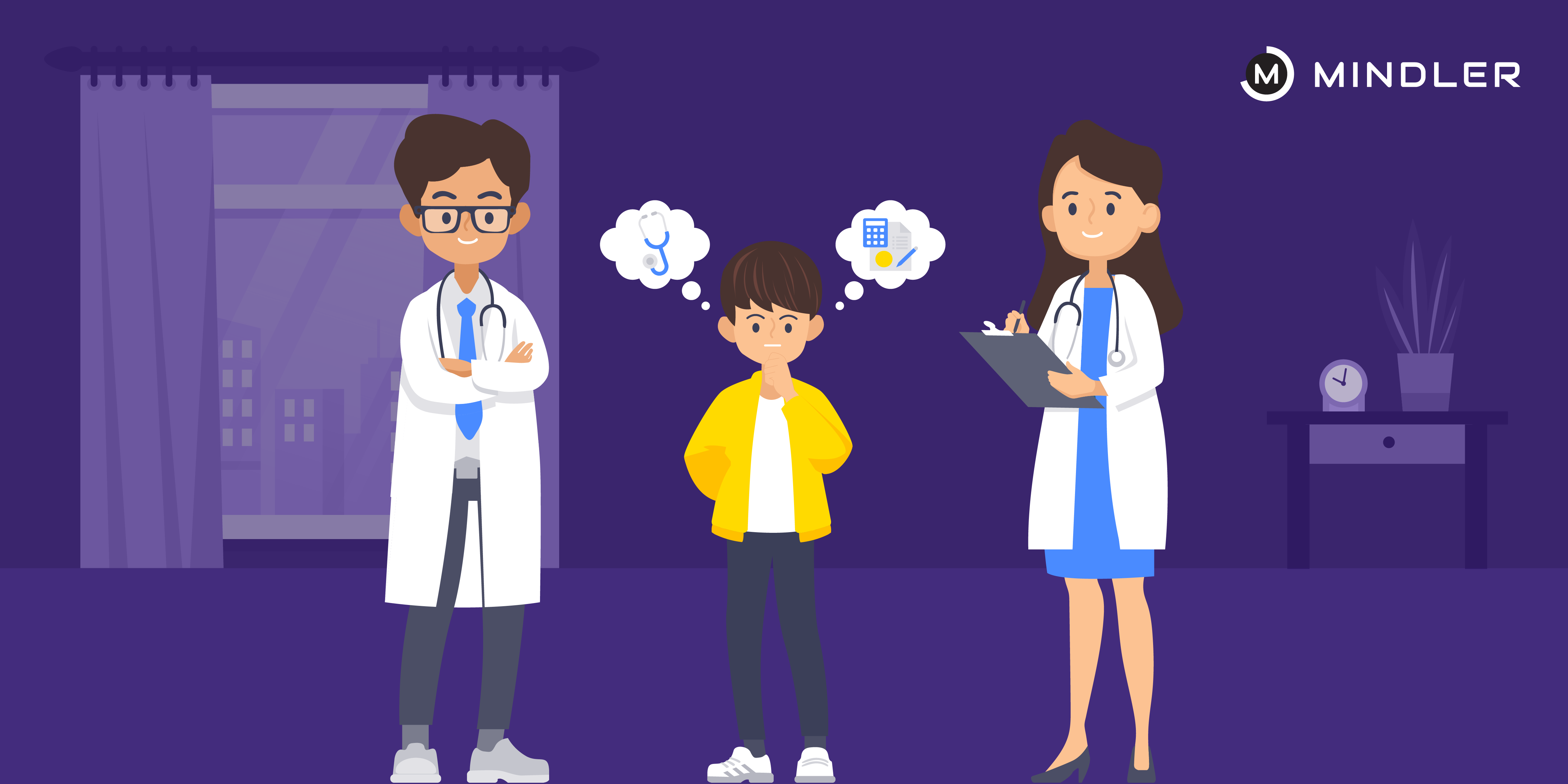
Group 3 really blew me away with their project on how families influence our career paths. Their theme, "Legacy Reimagined", was all about the tension between what's expected of us and what we actually want for ourselves. And honestly? It was super relatable.
They discussed how family traditions and expectations, like being told to become a doctor, lawyer, or follow in your parents’ footsteps, can shape our goals, even if it’s not what we really want. They also talked about the guilt that can come from breaking away from those expectations, and how doing so can feel like either courage or betrayal, depending on your perspective.
One of the most interesting parts for me was the section on economic stability vs. personal fulfillment. They explored how some people choose “safe” careers because of pressure or financial concerns, while others take risks to chase what really excites them. It was such a well-rounded conversation ,and they didn’t just focus on the struggle, but also gave solutions. Things like building mentorship programs, reforming career education, and encouraging honest family conversations.
The way they tied in gender roles was super powerful too. They showed how kids are still being guided toward traditional roles and how that can limit dreams. Like boys into tech and leadership, girls into caregiving jobs Their interview with an aspiring Formula 1 engineer was a perfect example of how pushing against those limits can lead to real inspiration.
Group 3's final message really stuck with me: “Family support can be a foundation or a fence.” That line made me stop and think about how even love and support can sometimes accidentally hold us back if it comes with expectations we didn’t choose.
Group 2- My Group, My Experience
Now let me talk about my own group , Group 2. Our presentation focused on the deep connection between mental health and social life, and how both are being shaped by modern life, government policy, and student experiences, especially here at Miami Dade College.
Even though I was literally on a road trip to Texas during part of the project, my group made everything so much easier. They were super understanding, shared notes, and kept me looped in. Honestly, they helped me stay grounded even when I was physically far away.
What I loved about our work is that we covered real problems and real solutions. We looked at how mental health has changed over the last 5 years, what the government is doing (or not doing) to help, and how MDC could improve. We also broke it down across local, state, and national levels , pointing out gaps, but also offering solid suggestions, like mobile mental health units, longer counseling hours, and student-led wellness events.
We didn’t stop at mental health either. The second half of our project dove into how “fun” social life has evolved , especially post-COVID . And how a sense of community is being redefined. We talked about how MDC supports students through things like SharkNet, wellness events, and student clubs, and compared our social experiences to those at other schools both in the U.S. and globally.
Overall, our goal was to show that mental health and social life aren’t two separate things , but they fuel each other. A healthy, connected campus community makes a big difference, and I’m proud of how we brought that message to life. Working on this project was one of those rare group experiences where the teamwork actually made the message stronger. I’m grateful to have been part of it.
Lessons Learned
This whole experience taught me a few big things:
Group projects don’t have to be painful if there’s good communication and respect.
Understanding where people come from , whether that’s economically, culturally, or socially , can totally change how we interpret their choices.
Breaking away from expectations isn’t betrayal. It can actually be one of the most loving things we do for ourselves, and for future generations.
Seeing what Group 1 and Group 3 presented made me reflect on my own path. Like, am I following my passion? Or am I doing what I think I’m “supposed” to do? Those are big questions, and I think they’re the kind of questions we should all be asking more often.


You were really lucky to be put into such a wonderful group. Very well done reflection!
ReplyDelete